

Surfing in Nicaragua
One of the best surfing countries in the Western Hemisphere, check out our Nicaragua surf guide to find the best spots, camps, and more.
Nicaragua is known to be a top surf spot, and for good reason. From the powerful DOH waves at the Outer Reef of Popoyo, to Beginner’s Bay in the same town, Nicaragua really has it all. With its southeast facing coastline, the shallow and deep reefs in Nicaragua can create both hollow and steep waves and mushy but powerful waves perfect for beginners and intermediates. Some breaks are harder to get to than others, but most are still relatively uncrowded. As it takes its place as a serious surfing nation, we expect things to develop more and breaks to see more crowds.
Overview
Tons of breaks for all levels
Some super consistent surf spots
Cheaper than Costa Rica
Beautiful nature and exploration
Table of Contents

Beginner Waves

Advanced Waves
Surf Camps

Longboard Waves
Surf Season in Nicaragua
Of course surf season in Nicaragua is partially year-round. However, it is best for the solid swells in the rainy season (summer). From about May to September, you’ll find stronger SW swells from the Pacific, lighter and more offshore wind, and cleaner and less peaky breaks. For intermediate or advanced surfers, the best time to surf Nicaragua is definitely this time. June, July, and August are often the most reliable.
In the North American winter, or dry season, you’ll find smaller waves that still come in consistently. Several spots, like Playa Maderas, can still provide solid rides in the winter, and the beginner spots are often full of whitewater regardless of the time of year. Winter will also generally be a quieter time in Nicaragua at the surf spots, as most people come for the bigger waves in the summer.

Things to Do in Nicaragua
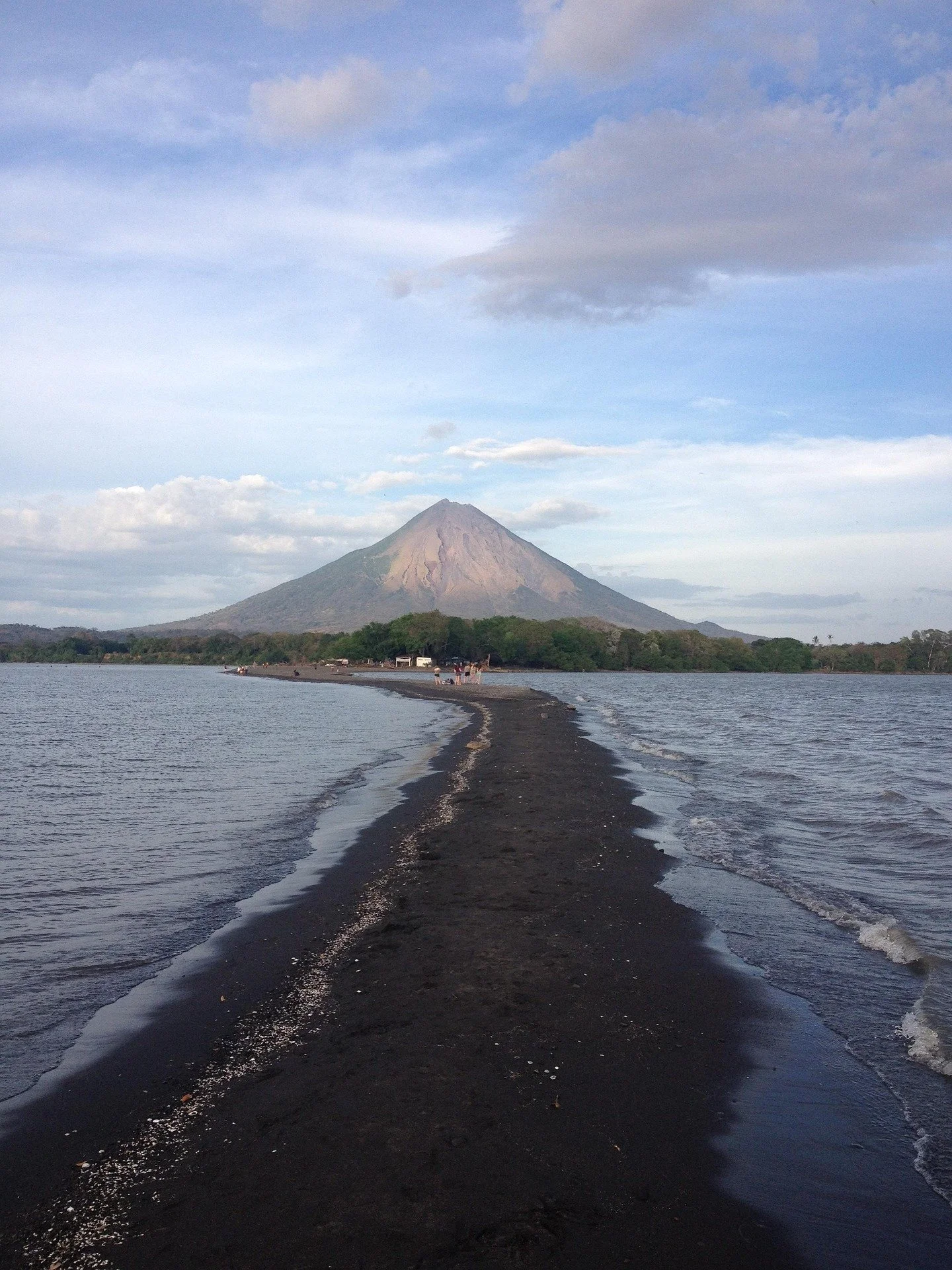
Nicaragua is a beautiful country. Our recommendation is to check out some of the natural attractions while visiting. You can visit some of the amazing lakes, volcanoes, and hiking trails. It is similar in a sense to Guatemala: a bunch of volcanoes, healthy jungle, and incredible vistas. Nicaragua also has several options for more all-inclusive surf camps and experiences, but we strongly suggest getting out and exploring the nature this country has to offer.
Visit Ometepe Island - This is an absolute must in our book. An island in Lake Nicaragua formed by two volcanoes, there’s a ton of outdoor activities to do. You can hike the volcanoes, swim in beautiful natural springs, find ancient petroglyphs, and discover the beautiful waterfalls.
Wildlife Reserves - Nicaragua is home to some incredible reserves that offer great opportunities to birdwatch, hike through wetlands and jungles, and see all kinds of tropical wildlife. Indio Maiz is incredible, as is Los Guatuzos. We’ve never been but have heard good things about Mombacho, Chocoyero, La Flor, and Isla Juan Venado as well.
Visit Coffee Farms - Especially in the north in Matagalpa and Jinotega you can find incredible coffee plantations and producers. If you’re a coffee lover, check out some of the tours where you can learn about the full process from bean to drink, and even get some tasting done!
Surf Spots in Nicaragua

Playa Colorado
Popoyo

San Juan del Sur
About the Surf Spots
Playa Colorado
Playa Colorado is an amazing surf spot for intermediate or better surfers. It fires most in the rainy season, where you can find consistent barrelling waves. As a beach break, you can find both lefts and rights here that are smooth, reliable, fast, and fun. Like much of the Pacific Coast, the nearby Lake Nicaragua helps produce regular offshore winds. The downside is you either have to stay at the Hacienda Iguana to access the wave or find a local boat driver as it’s a private beach.
The area itself is super chill and rather remote. You’ll find a ton of dedicated surfers looking for waves and relaxation. It’s definitely not anti-social, but you won’t find a big party scene or anything here. There isn’t a ton of infrastructure in the way of restaurants and shops, so you can expect a pretty slow pace.
Popoyo
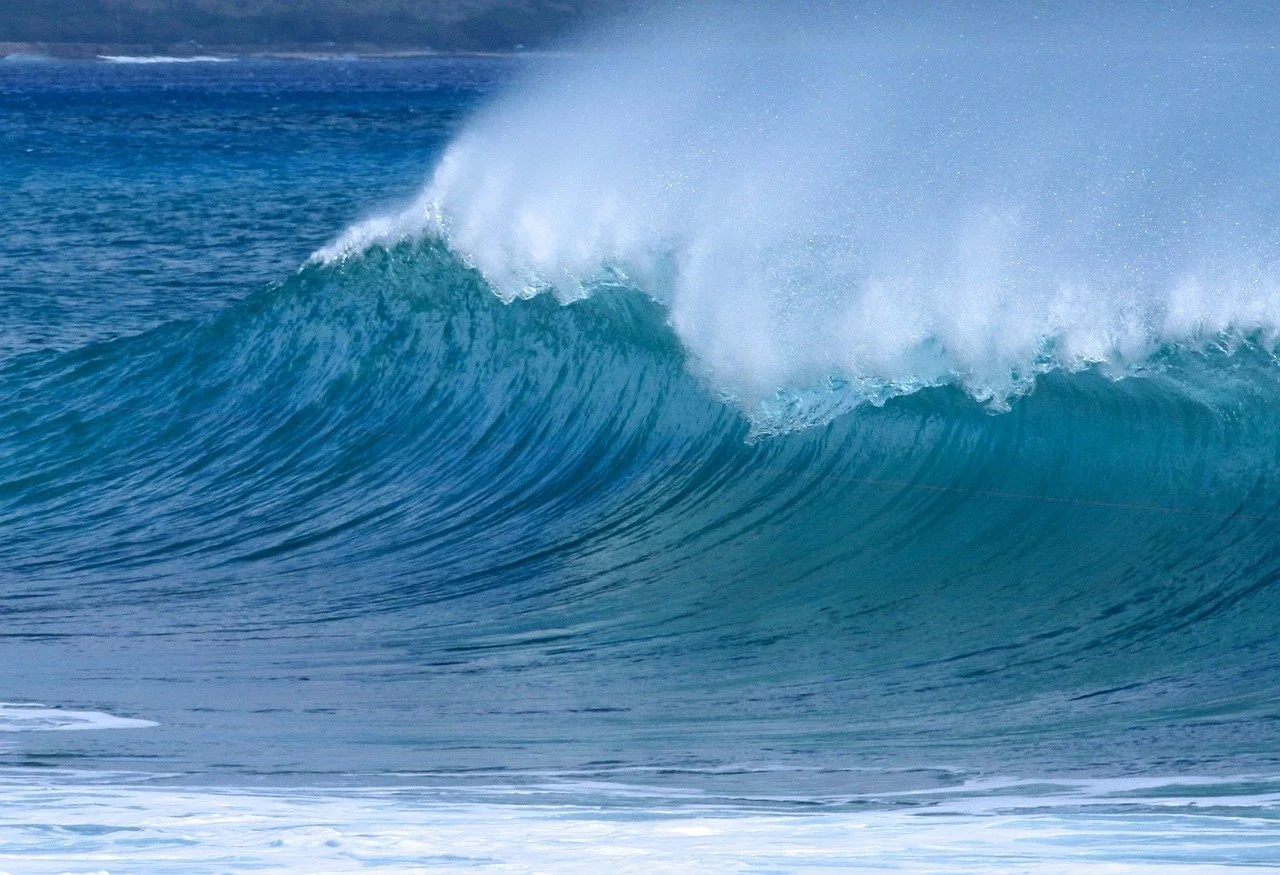
Often seen as the best break in Nicaragua, Popoyo is a super fun place to surf with several different breaks happening. First up is the Main Reef, which is a super consitent A-frame that provides incredible hollow rides for hundreds of meters. The Outer Reef is less reliable, but provides a powerful slab that can climb up to 8 meters. On the inside at the south end of town is Beginner Bay, which is great for more beginner surfers but can be crowded. The same can be said for Playa Santana, directly inside the Main Reef where you’ll find all the surf schools. Stoney’s is also worth mentioning as it’s the premier point break in the area.
The town of Popoyo is not quite as activte as San Juan, but more active than Colorados. It’s somewhat rugged and not yet pretentious. You’ll find small surf lodges, eco-friendly hotels, and small cafes. Nightlife centers around some drinks and small gatherings, not true parties or clubs. I would say the vibe is somewhere between San Juan and Popoyo. It’s mellow, but not quite as remote as Colorados.
San Juan del Sur
San Juan del Sur is one of the most popular surf towns in Nicaragua, despite not having great surf. Stick with me though. San Juan acts as the hub in the area, as there are tons of great breaks nearby. There’s Manzanillo, a finicky point break that’s great for intermediates. Playa Maderas is probably the most popular. It has an A-frame beach break that is beginner-intermediate and intermediate friendly. El Remanso is also an amazing wave, although it can be a bit fat for more advanced surfers. It’s one of the best longboard waves in Nicaragua, and super close to town.
San Juan del Sur is definitely the most active surf spot on this list. There are plenty of shops, tourist services, bars, and restaurants. It’s a much more social scene in many ways. During the day you can find yoga classes and hiking groups, while nighttime sees the beach parties and pool crawls happening. It’s still relatively laid back and surf-centric, but it has a bit more buzz than the other two. I also would consider it the most touristy out of the options on this list.
Surf Camps in Nicaragua
Hide and Seek - Hide and Seek Resort is one of several all-inclusive surf camps in the Popoyo area. It defintiely isn’t the cheapest, but i’s firmly on the luxury end and you get what you pay for here! You’ll find king-sized beds in every room, rain showers, air conditioning, and strong internet. They also have grande suites for families, earning it a place on our list of 4 Surf Camps in Nicaragua for Family Surf Trips.
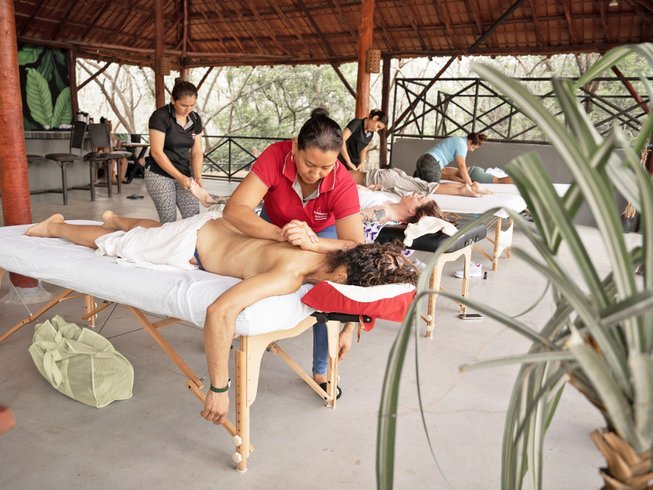
It’s a small hotel with a pool, bar, sauna, and spa. They offer yoga classes, cryotherapy, massages, healthy and gourmet meals, and of course incredible surf. Their instruction (with Daniel) is top-tier, and they have a boat to take you to nearby breaks.


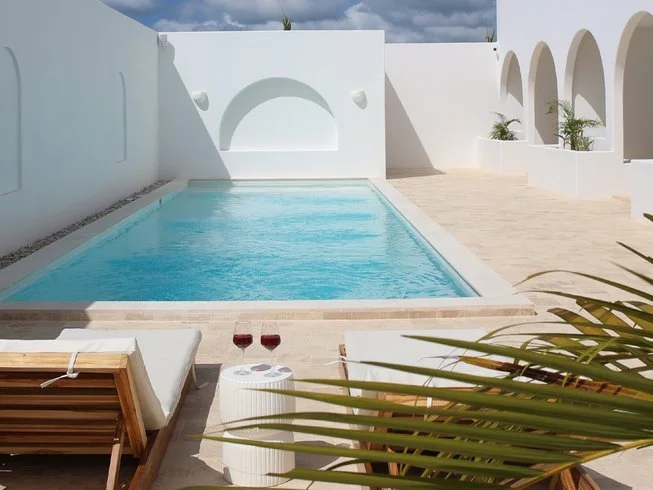
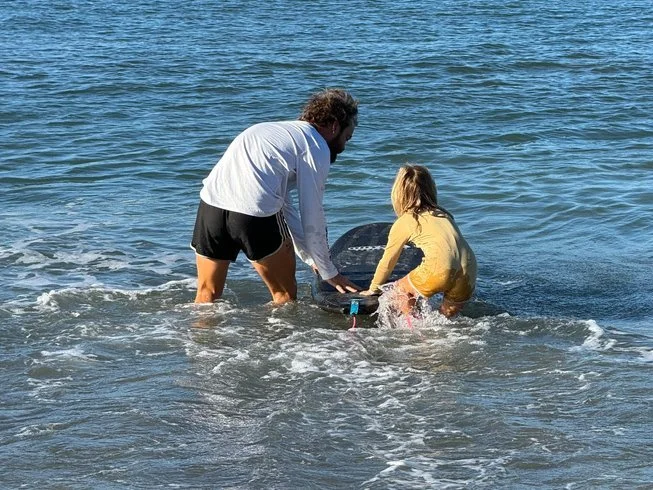
Dreamsea Surf Camp - Another surf camp with all-inclusive options, Dreamsea is located in San Juan del Sur. They operate surf camps all over the world. Their Nicaraguan location provides breakfast and dinner at a reasonable rate. Their eco-lodge has shared dorm rooms and private suites, and is fairly economical (around $600 USD for a weeklong stay). Their jungle hotel has a pool, bar, dining area, yoga deck, and they are pet friendly!

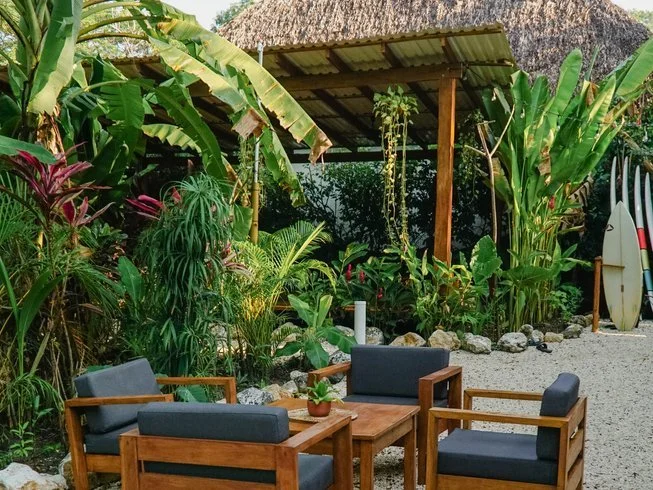


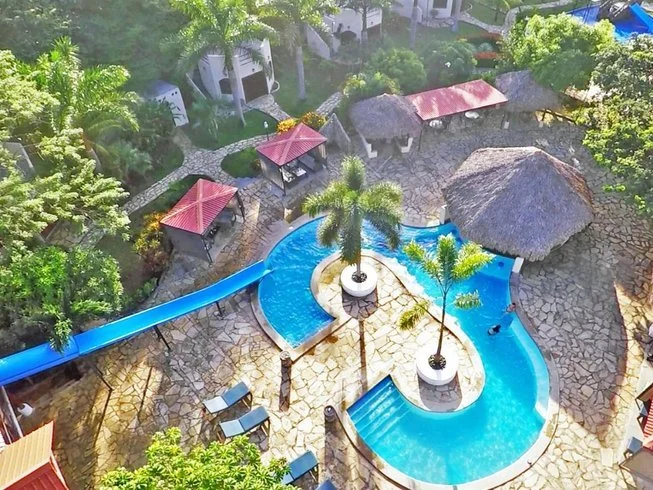
Surf Ranch Nicaragua - Surf Ranch is a great place if you’re generally active or action-oriented. It’s also a fantastic place for families. Sitting in San Juan del Sur, Surf Ranch is all inclusive (including beer). All rooms have A/C and WiFi, and you’ll find normal rooms, freestanding condos and villas, and family suites. What makes this place is unique is its offerings other than surfing. They have a full skatepark (and skate lessons), rock climbing wall, gym, water slide, splash pad park for smaller kids, and a pool. It runs around $700 for a week, and is absolutely the place to stay if you need to move your body!


From the Store


Posts About Nicaragua


Travel Tips
Getting There
You should generally book your flights to the international airport in Managua (MGA). There are generally plenty of international flights landing here and you can get to where you need to go. If you’re headed to San Juan del Sur, you can consider going into Liberia in Costa Rica, as it’s only a few hours away (plus a border crossing).
Getting Around
The roads in Nicaragua are definitely not the most well-paved we’ve seen. If you’re comfortable, you can rent a car in Managua to get where you’re going. You can also find private transfers through GetTransfer, or your hotel or camp will likely be able to set up a ride. Either way, it’s advisable to stick to daytime driving here. Once you’re in a location, it’s generally pretty easy and cheap to find taxis or transfers to the surf spots.
Board Situation
Places like San Juan del Sur have great surfboard selection when it comes to rentals. More rural places will not. If you do bring a board, make sure to bring some sort of ding repair kit. Other than the San Juan area, it’s not easy to find someone willing to fix a board that got mishandled by the airline.
What to Bring
You will never need a wetsuit here, but bring plenty of rashes. The sun gets hot. Even during rainy season when it’s cloudy, the sun beats down here. Find some good sunscreen for surfing (make sure it’s safe for the ocean) and make sure to use it. I also recommend bringing extra leashes and fins due to the power of the waves here and the rocky bottoms.
Water and Food
Like much of Central America, you will have to drink bottled or filtered water. The food here is generally safe to eat, especially the super fresh seafood in the surf towns. One of our rules of thumb is to stick to busier restaurants if we’re worried as it means food is not sitting out long.
Safety and Etiquette
I can speak from my experience in Nicaragua here and say that I felt perfectly safe the entire time. Obviously don’t leave valuables out on the beach or anything and don’t walk alone drunk at night. There is some localism here in the water, so be respectful of the locals when out in the lineup.
Phones and Connectivity
Service and internet can be spotty in more rural places, but hotels will generally have reliable WiFi. For the best rates on cell service, we use Airalo nearly anywhere we go in Latin America, including Nicaragua.
Spending Money
Finally, when it comes to money you can absolutely spend USD. This is especially true in touristy areas. We don’t live in the US so we don’t have those. We instead use our Wise card. We’ve had it for almost ten years now and love it. You can transfer money from one currency to another, withdraw at ATMs no problem, and it gives a better exchange rate than pretty much anywhere else. The ATMs in places can be out of money, so be prepared for that!
Our new surf trip tee! Designed by José Devalis, an artist living in Mexico and originally from Argentina (@polonia.tattoo).
Super comfy, soft, lightweight tee with a little stretch!